
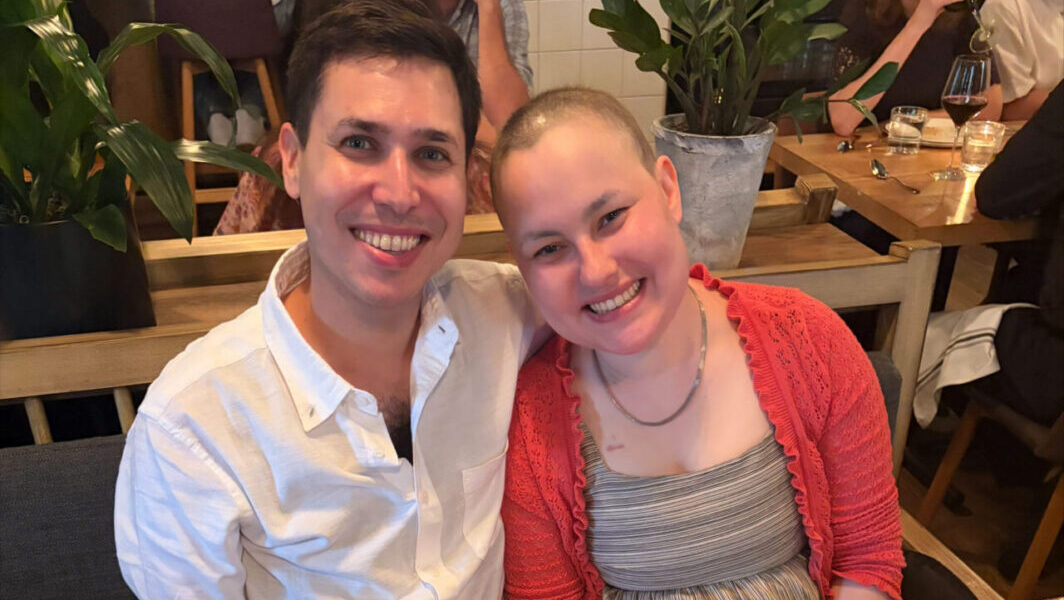
What We Wish We Had Known Before Alex Was Diagnosed at 31
My wife, Alex, was diagnosed with stage 2 triple-negative breast cancer in February of 2026, at 31 years old. Shortly after her diagnosis, we were advised to test for BRCA and discovered she has
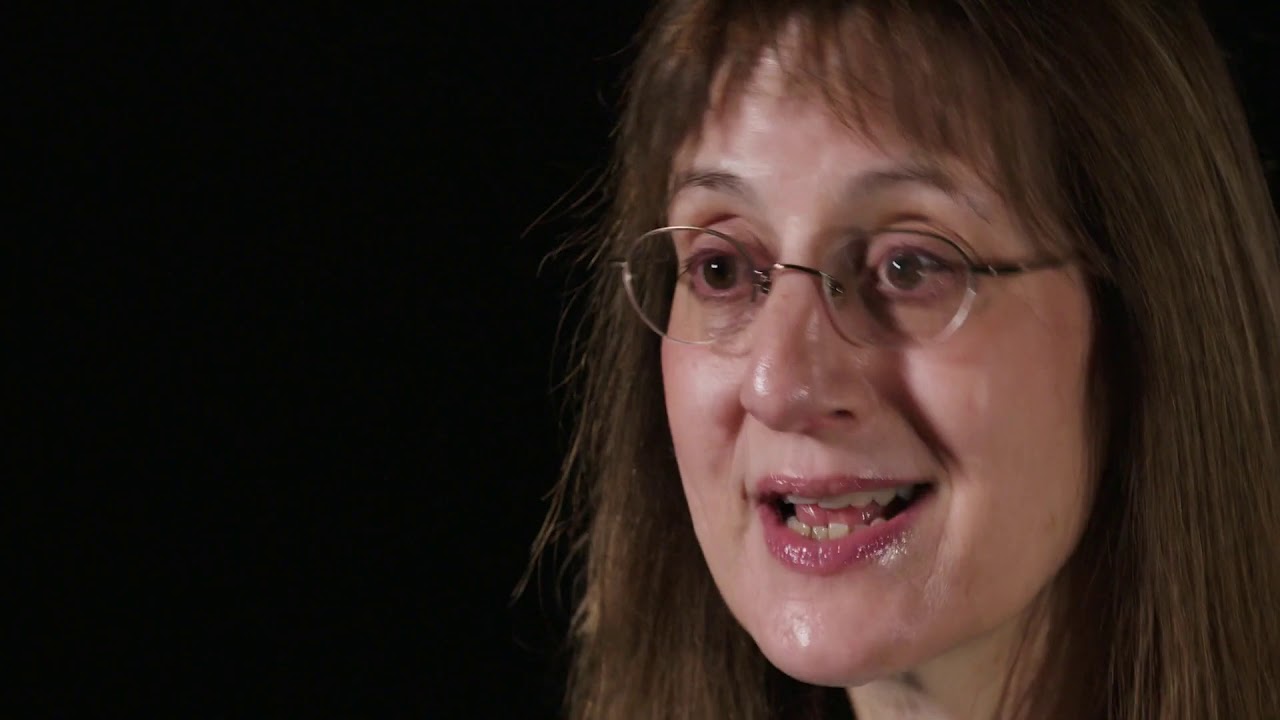
Iris’ Story (Video)
In 2008, Iris was diagnosed with breast cancer and opted to have a bilateral mastectomy and preventive surgery to remove her ovaries. Watch Iris' story.

Zach’s Story (Video)
Zach’s sister, Alexa, was diagnosed with breast cancer as a young woman. Her diagnosis spurred the family to examine their health history and ultimately led to the discovery of a BRCA mutation that had been passed down from Zach’s grandfather. Watch Zach's story.

Alyssa’s Story (Video)
Alyssa knew about her family history of cancer and her personal risk of a BRCA mutation. After several years of screenings and consideration, she decided to undergo a risk-reducing operation before having children. Watch Alyssa's story.

Ziva and Sivan’s Story (Video)
Mother-daughter duo Ziva and Sivan credit Ziva’s sister with giving them the opportunity to be proactive about their increased risk. Watch their story.

Ziva’s Story (Video)
Ziva’s sister’s breast cancer diagnosis prompted her to get screened for a BRCA1 mutation. Feeling alone as she navigated preventive surgeries, Ziva connected with other women in similar circumstances. Watch Ziva's story.
While no two stories about Jewish genetic disorders or hereditary cancers are the same, we recognize that it can be helpful to hear from–and connect with–others facing similar genetic health challenges.
Articles
Meet Ava, The Sarnoff Center’s 2026 Lewis Summer Intern
Ava Marcus is a Chicago native and will be a third-year Honors student at the University of Georgia, pursuing
Why Aren’t Men Screened for Fragile X?
If you’ve registered for a carrier screening through the Sarnoff Center, you may have noticed that our panel screens
Why Should I Tell My Doctor I’m an Ashkenazi Jew?
When it comes to your health, the details matter—sometimes more than you might realize. One important piece of information
Why You Should Consider Carrier Screening Again for Family Planning, Even If You’ve Done It Before
Carrier screening has become a common part of family planning, helping individuals and couples understand their genetic risks and
The Pros, Cons, and Differences Between Blood and Saliva for Genetic Testing
When it comes to collecting DNA for genetic testing, two primary methods are widely used: blood and saliva. Our
Meet Danielle, the Sarnoff Center’s 2024 Lewis Summer Intern
My name is Danielle Parnes and I am a Junior at Clemson University majoring in Biology with a minor