Get information about hereditary cancers, assess your risk, find resources, and more
Most people who are diagnosed with cancer develop it by chance, what is called sporadic cancer. However, about 10% of people who get cancer develop it because they are born with a genetic change, called a pathogenic variant or mutation (disease-causing variant), that predisposes them to develop cancer. Some of the hereditary cancer conditions can cause very high risks of cancer, others just slightly increase the risk of cancer. Furthermore, some mutations are particularly common among people who share the same ethnicity.
About 12-20% of the Ashkenazi Jewish population are born with a hereditary cancer risk. The most common hereditary cancer condition is hereditary breast and ovarian cancer syndrome due to the BRCA1 and BRCA2 genes. Individuals of Ashkenazi Jewish descent are about 10 times more likely than the general population to have a BRCA1 or BRCA2 gene mutation, which increases the risk of breast cancer in both women and men, ovarian cancer, prostate cancer, pancreatic cancer and some other cancers.
Overall, about 1 in 40 Ashkenazi Jews carries a BRCA1 or BRCA2 mutation.
BRCA1 and BRCA2 mutations are not the only ones more common in the Ashkenazi Jewish population. Genes that can increase the risk of developing colorectal cancer (APC, EPCAM, MLH1, MSH2, MSH6, PMS2) or colorectal cancer and colon polyps (GREM1) are also more commonly found in the Ashkenazi Jewish population.
Cancers in people with hereditary risk tend to develop at younger ages compared to cancers in the general population. But it’s important to note that a person who inherits a mutation associated with increased cancer risk will not necessarily develop cancer. Your genes are not your destiny!
People at increased risk for developing cancer have a variety of options for managing the increased risk including earlier cancer screening, additional screening tests, or for some cancers, risk-reducing options (such as surgery or medication). Genetic counseling can help you determine the most appropriate screening and management options for you.


Personal Stories
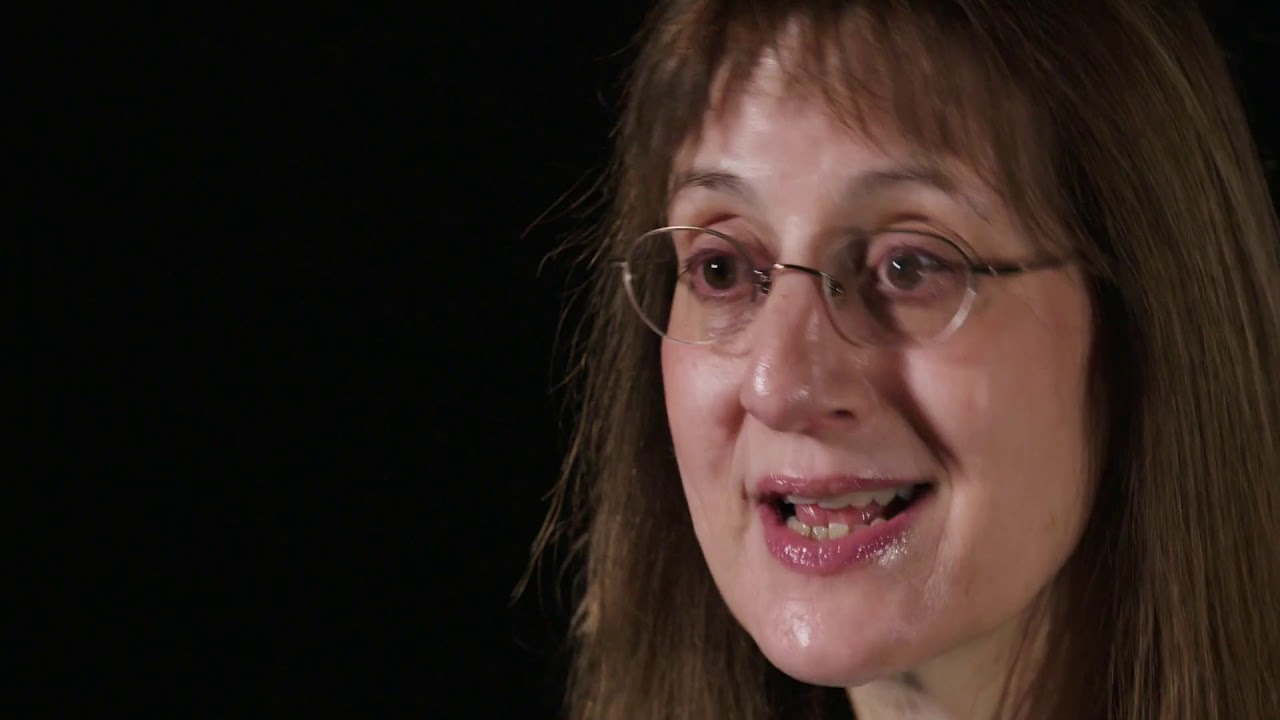
Iris’ Story (Video)
In 2008, Iris was diagnosed with breast cancer and opted to have a bilateral mastectomy and preventive surgery to remove her ovaries. Watch Iris' story.
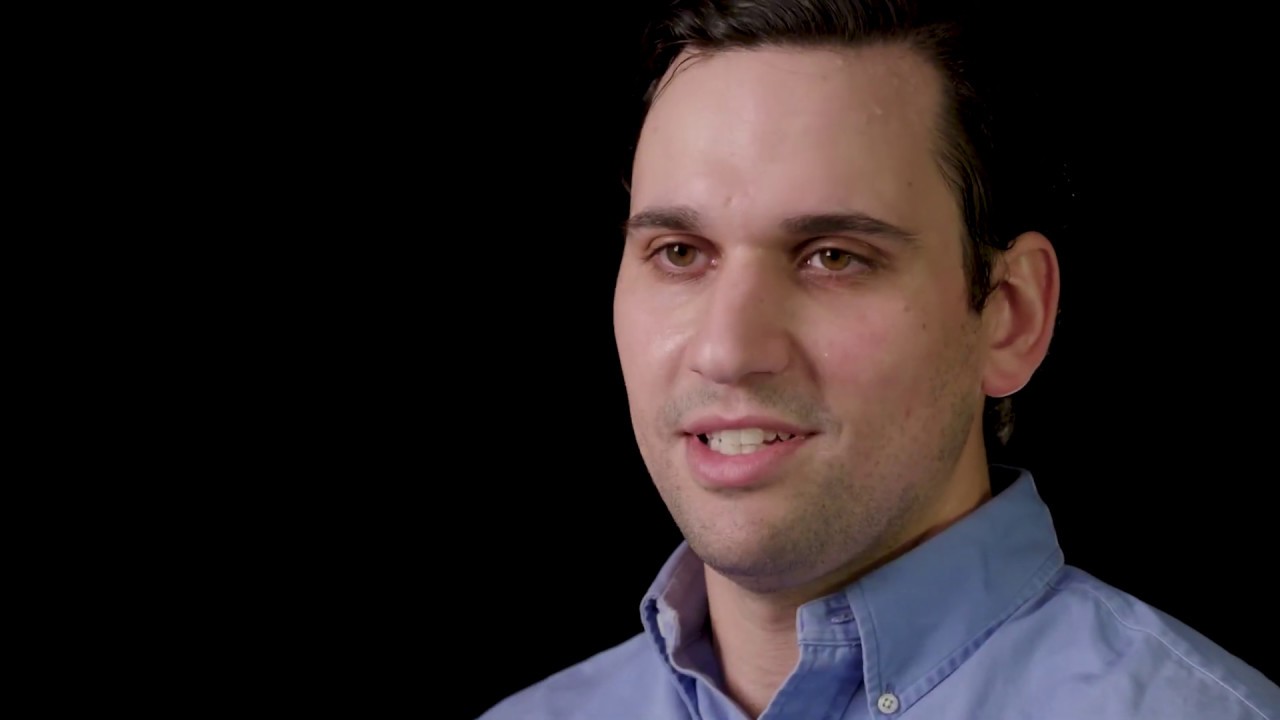
Zach’s Story (Video)
Zach’s sister, Alexa, was diagnosed with breast cancer as a young woman. Her diagnosis spurred the family to examine their health history and ultimately led to the discovery of a BRCA mutation that had been passed down from Zach’s grandfather. Watch Zach's story.
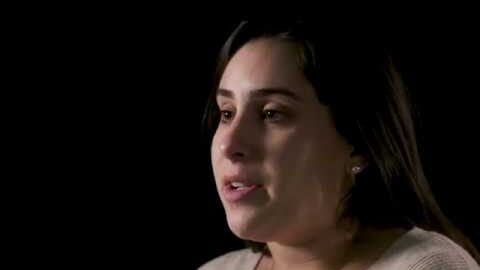
Alyssa’s Story (Video)
Alyssa knew about her family history of cancer and her personal risk of a BRCA mutation. After several years of screenings and consideration, she decided to undergo a risk-reducing operation before having children. Watch Alyssa's story.