Hereditary Cancer Testing

Hereditary Cancer Testing2025-12-29T18:06:52+00:00

Affordable, Accessible Genetic Testing

Give the Gift of Genetic Screening

The Norton & Elaine Sarnoff Center for Jewish Genetics’ hereditary cancer testing program provides affordable, accessible, high-quality genetic testing services for Jewish individuals and families in Illinois.

What does testing include?

The Sarnoff Center’s hereditary cancer testing panel tests for 63 genes that can predispose to hereditary cancer syndromes, 4 of which are more common in the Ashkenazi Jewish population. For more information and a complete list of genes on the panel, click here.

How does it work?

For most participants, the process is straightforward:

  1. Register online at geneticscreening.juf.org.
  2. Complete an online education course to prepare for testing; you will receive a link and instructions to access the course after registering.
  3. Our genetic counseling partner will contact you after completion of the course.
  4. After receiving the saliva kit in the mail, return a saliva sample using the instructions in the kit.
  5. Our genetic counseling partner (Chicago Genetic Consultants) will call you with results 2-3 weeks after the kit is sent in for testing.
  6. Follow-up appointments will be scheduled as needed with our genetic counseling partner.

If you have questions or special circumstances, please contact the Sarnoff Center at 312-357-4718 or email us at [email protected].

Program Fee and Processing

Program Fee
Our program fee is $99 per person. The program fee covers pre-testing education and genetic counseling services. In the case of extreme financial hardship, you may be able to obtain a waiver for the program fee.

Insurance and Billing
If you have insurance, Chicago Genetic Consultants (CGC) will submit your insurance information so Myriad Genetics may bill your insurance for the cost of the test.

One of the goals of the Norton & Elaine Sarnoff Center for Jewish Genetics is to ensure that no Jewish individuals go without hereditary cancer testing due to concerns about cost or ability to pay. For this reason, we are pleased to offer a Financial Assistance Program that covers the cost of genetic testing if insurance does not cover the testing in full (i.e., $0 out of pocket costs for you).

If you request Financial Assistance and have insurance, Chicago Genetic Consultants will ask the genetic testing laboratory (Myriad Genetics) to check your coverage. If Myriad’s estimator predicts you will face out-of-pocket costs, CGC will change the billing from insurance to self-pay on your behalf and have the test billed to the Sarnoff Center instead of your insurance.

If you request Financial Assistance and you do not have insurance, Chicago Genetic Consultants will select self-pay on your behalf and have the test billed to the Sarnoff Center to cover the cost of the test ($249)

Note that regardless of which option you select, all participants may receive one or more “Explanation of Benefits” (EOB) notices from your insurance company. The amount shown as patient responsibility on the EOB will, in most cases, not be accurate. You may also receive a notice that an appeal has been submitted to your insurance company on your behalf. You do not need to take any action and do not be alarmed if you receive a notice that your appeal was denied.

Ready to get started? Register now.

Hereditary Cancer Testing FAQs

What is hereditary cancer testing?2025-12-15T15:52:10+00:00

Hereditary cancer testing is a genetic test that assesses whether an individual was born with a gene not working (mutated) that increases the chance of developing specific cancers.

Who should consider hereditary cancer testing?2025-12-15T15:52:24+00:00

Current genetic testing guidelines endorse hereditary cancer genetic testing for anyone of Ashkenazi (typically Eastern European) Jewish descent. In addition, anyone with a personal or family history of cancer can consider genetic testing.

What if I am of mixed, Sephardic, or non-Ashkenazi descent?2025-12-15T15:52:40+00:00

Hereditary cancer testing can be considered for anyone with a personal or family history of cancer. To be eligible for our program, you must have at least 1 grandparent who is Ashkenazi Jewish descent by birth (not conversion).

What does screening involve?2025-12-15T15:52:55+00:00

The Sarnoff Center’s screening program uses Next Generation Sequencing (NGS), which is the most advanced form of testing available today and provides the most accurate detection rates. NGS screening requires either a blood or a saliva sample. Most participants in our screening program provide a saliva sample. In some cases, a participant may want or need to provide a blood sample instead.

If you get screened through your healthcare provider, keep in mind that different laboratories use different methods of sample collection and provide testing using different technologies. Most NGS panels include a set number of genes linked to common and sometimes rare cancers. But, the type of testing and number of conditions that doctors order can vary.

Who should I talk to before getting screened?2025-12-15T15:53:10+00:00

We have genetic counselors available to answer any questions you have about the process. Our genetic counselor also reviews every family history prior to ordering the hereditary cancer testing. Some people also discuss hereditary cancer risk and genetic testing with their primary care doctor, medical/surgical/radiation oncologist, OBGYN or other provider, who can order genetic testing or refer you to a specialized provider.

When should I get screened?2025-12-15T15:53:25+00:00

Choosing to undergo genetic testing for hereditary cancer is a personal choice and generally, there is no right or wrong time to get it done if you do not have a recent cancer diagnosis. If you have been recently diagnosed with cancer, testing sooner rather than later is important as the information can impact treatment recommendations.

If I already have cancer, can I be screened through your program?2025-12-15T15:53:38+00:00

Yes, screening can still be done if you have cancer, whether you have had it in the past or currently have it. The only restriction would be if you had a bone marrow transplant with a donor’s bone marrow or if you have had a blood transfusion within a month of when the testing is performed.

What conditions are included are included in the Sarnoff Center’s program?2025-12-15T16:33:44+00:00

Our screening panel tests for 63 different genes that cover 11 primary cancer types. For a full list of conditions on the screening panel, see our types of hereditary cancer genes database.

If you have any questions or want to learn more about conditions on our screening panel, please contact us to speak to a genetic counselor.

Does the program screen for any conditions similar to what is tested for family planning (a.k.a., carrier screening)?2025-12-15T15:54:14+00:00

The hereditary cancer testing has only 1 gene that is also covered on carrier screening; the gene is called ATM. However, many of the genes on the hereditary cancer testing can cause recessive cancer syndromes, this means that you need both copies of a gene not working to be at risk for the disorder. Therefore, if the testing identifies that you are a carrier (1 gene not working) for a recessive cancer syndrome, testing of your reproductive partner would be needed to determine if your children are at risk of developing the recessive condition. Otherwise, if you need testing for family planning purposes, you should consider enrolling in our other program.

I’ve already been screened for a hereditary cancer risk. Can I still use the Sarnoff Center’s screening program?2025-12-15T15:54:28+00:00

If you have already undergone a hereditary cancer test, you may be eligible for re-screening, depending on what previous testing you had performed. Please do not register for the program and contact us to discuss this in more detail.

What if I am identified to have a hereditary risk of cancer (i.e., receive a positive test result)?2025-12-15T16:05:44+00:00

If you have a positive genetic test result for a hereditary cancer risk, our genetic counselors will review your test results in detail with you, discuss your cancer screening and risk reduction options, the implications to your family, and refer to local healthcare providers who are knowledgeable and have expertise in the managing individuals who have a hereditary cancer risk. Your family members would be eligible to come through our testing program as well.

I have heard that I can order my own screening online. Is that true?2025-12-16T22:49:01+00:00

Some companies now offer direct-to-consumer (DTC) or consumer-directed genetic testing (CD-GT) hereditary cancer panels. This means that you order the testing yourself through their website, and results are released to you directly or a healthcare provider affiliated with the company. Although it is an online process, our program is NOT direct-to-consumer or consumer initiated testing because it includes an educational course and genetic counseling. Our genetic counselors will review your family history prior to ordering your test and will call you with your results to ensure you can ask any questions.

The American College of Medical Genetics and the National Society of Genetic Counselors caution consumers to consider several issues before pursuing direct-to-consumer or consumer-directed testing. It is important for consumers to know exactly what testing is being ordered, if they are appropriate tests based on personal and family history, and what the tests will tell them. It is also important to note that genetic counseling is sometimes offered but usually not required through this type of testing. You should discuss this information with your doctor or a genetic counselor before pursuing such testing.

What if I don’t live in Illinois?2025-12-15T16:08:21+00:00

To be eligible for the Sarnoff Center’s genetic screening program, participants must reside in Illinois and have 1 grandparent of Ashkenazi Jewish ancestry. If you do not live in Illinois, we’re happy to point you to several other local and national Jewish carrier screening resources.

Have questions or want more information? Contact us at (312) 357-4718 or [email protected] to speak with a staff member or our genetic counselor. You can also use the National Society of Genetic Counselors’ Find a Genetic Counselor tool to find a genetic counselor in your area.

Note: The resources on this page are provided as a convenience and the Sarnoff Center bears no responsibility for the content of these external sites.

Do my partner and I both need testing?2025-12-15T16:09:58+00:00

Opting for hereditary cancer genetic testing is a personal choice and does not require a partner to be done as well. Your partner is welcome to come through the program if they are interested in learning about their cancer risk if they meet the program criteria (have at least 1 grandparent that is of Ashkenazi Jewish descent).

What cancers does the genetic testing include?2025-12-15T16:10:44+00:00

The hereditary cancer test includes testing for 11 main cancers including: breast, colorectal, lung, kidney, ovarian, pancreatic, prostate, skin, stomach, thyroid, and uterine cancer. Of note, some of the genes can cause other cancers not included on this list.

Can the test results impact my insurability?2025-12-15T16:11:36+00:00

There are state and federal laws that protect people from health insurance discrimination based on the genetic test results. There are no state or federal laws that offer protection for other types of insurance such as life, long term, or disability insurance. If you have these insurances in place, the test results cannot impact current policies (if you have had them for more than ~2 years). Our education module discusses this information in more detail, but if you have questions about this, our genetic counselors are available to discuss this issue.

What are the possible test results?2025-12-15T16:12:35+00:00

Genetic test results for hereditary cancer can have one of three main possible results:

  1. Positive – a genetic change is found in a gene that causes the gene not to work and will increase the chance of developing certain cancers.
  2. Negative – none of the genes have any identifiable changes that strongly rule out a hereditary cancer risk. However, genetic testing is not perfect and depending on your personal and/or family history, it is possible a hereditary cancer risk was missed.
  3. Inconclusive – a genetic change is found in a gene, but it is not clear if that change increases the risk of cancer (positive) or is normal human variation and has no association with cancer risk (negative).

Our genetic counselors review the results with you so that you have a complete interpretation of what the results mean for you based on your personal and family history.

Does the test include a polygenic risk score?2025-12-15T16:13:27+00:00

The hereditary cancer test we offer is single gene testing, not a polygenic risk score. A polygenic risk score estimates a person’s likelihood of developing a certain disease based on many small genetic variations across their DNA. Each of these variations contributes a tiny amount to overall risk, and when combined, they can provide insight into a person’s inherited susceptibility to conditions like heart disease, diabetes, or cancer. Polygenic risk scores show probabilities, not certainties as lifestyle and environment also play major roles in health.

Does the test evaluate my RNA in addition to my DNA?2025-12-15T16:14:42+00:00

The test we offer is a DNA based test only. The addition of testing the RNA can sometimes find certain harmful changes in the genetic code that cannot be found be looking at the DNA. Our laboratory partner, Myriad Genetics, may request a blood sample to analyze an individual’s RNA if they are suspicious about the test results. Most people will not have their RNA analyzed.

DNA icon
BRCA mutations & the Jewish community

BRCA mutations are about 10 times more common in the Jewish than the general populations. Fortunately, there are ways to identify and reduce risk.

Medical Professionals
Hereditary Cancer Genes Included on Our Testing Panel

Our hereditary cancer testing panel tests for 63 genes that can predispose to hereditary cancer syndromes, 4 of which are more common in the Ashkenazi Jewish population. You can learn more about each gene on the panel by browsing or searching the database below.

Medical Professionals
Hereditary Cancer FAQs

Get answers to commonly asked questions about hereditary cancers, cancer genetic counseling and testing, and more.

Personal Stories

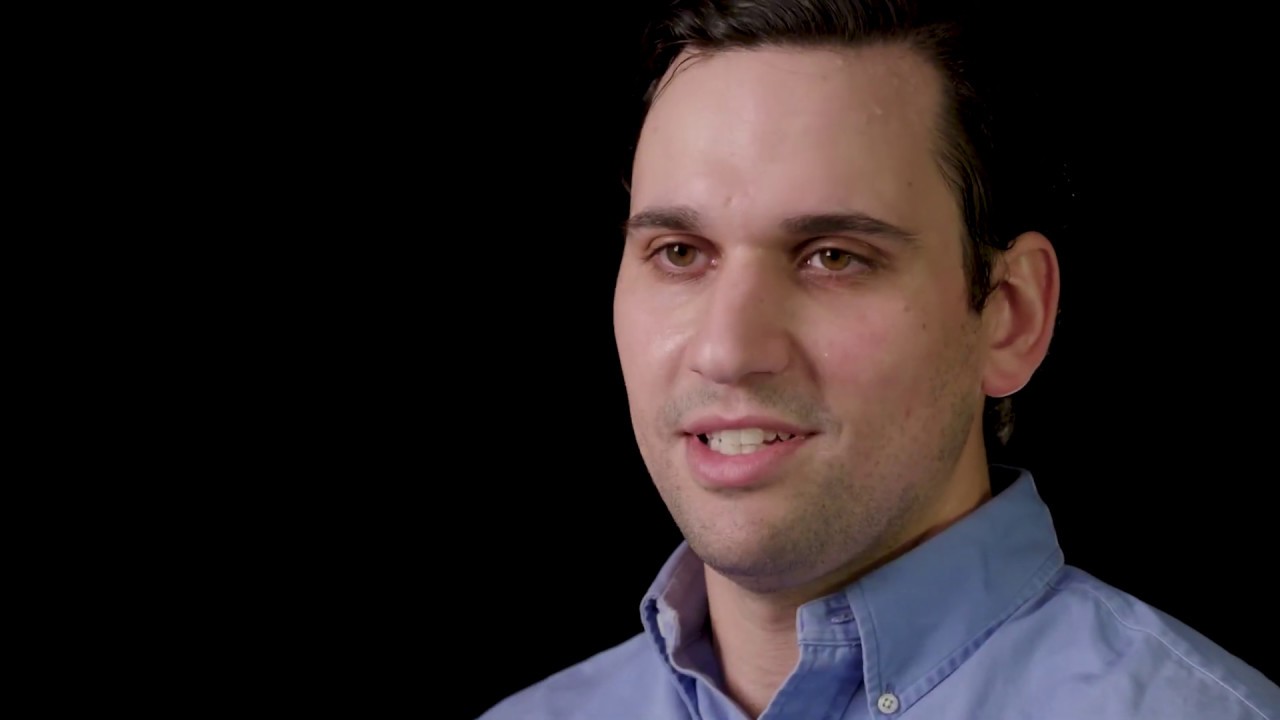
Zach’s Story (Video)

Zach’s sister, Alexa, was diagnosed with breast cancer as a young woman. Her diagnosis spurred the family to examine their health history and ultimately led to the discovery of a BRCA mutation that had been passed down from Zach’s grandfather. Watch Zach's story.
Alyssa’s Story (Video)

Alyssa knew about her family history of cancer and her personal risk of a BRCA mutation. After several years of screenings and consideration, she decided to undergo a risk-reducing operation before having children. Watch Alyssa's story.

Go to Top